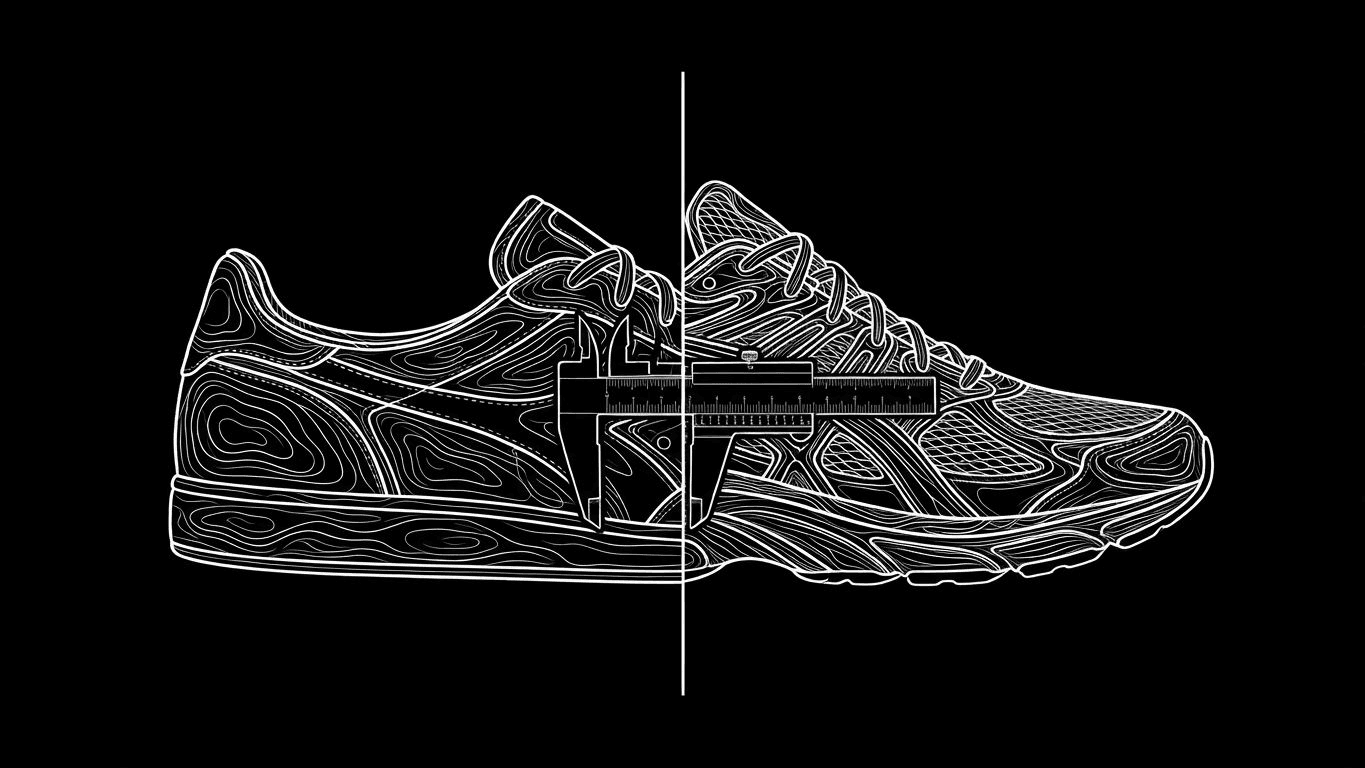
Is a ₹4000 sports shoe from a heritage Italian brand genuinely better than a ₹4000 shoe from a fast-fashion sports label in 2026
At ₹4000, a Heritage Italian Sports Shoe Is Not Automatically Better Than a Fast-Fashion Label: Here's the Real Breakdown
Is a ₹4000 sports shoe from a heritage Italian brand genuinely better than a ₹4000 shoe from a fast-fashion sports label in 2026? The honest answer: not automatically, and not in every dimension that actually matters to your feet. At this price point, the gap between a brand with 70-plus years of shoemaking history and a label that launched three seasons ago is narrower than most people expect. What separates a good shoe from a forgettable one at ₹4000 is materials, midsole engineering, and outsole construction. Brand lineage is context, not a performance guarantee.
Key Takeaways
- Heritage branding at ₹4000 signals design intent and quality standards, but does not guarantee superior performance over a well-engineered fast-fashion alternative at the same price.
- Midsole foam, outsole grip pattern, and upper breathability are the three variables that determine whether a shoe holds up after 400 km, regardless of who made it.
- According to RunRepeat, shoes with high-energy-return foams reach heel energy return values around 65.9%, a spec that depends on formulation, not brand history.
- Over 70% of athletes prioritize comfort when buying sports footwear, per GlobalXtep, which means the comfort test is the universal bar both types of brand must clear.
- Running shoes account for 31.82% of the global athletic footwear market in 2026, per Fortune Business Insights, making performance standards in this segment the most scrutinized and hardest to fake.
What Does "Heritage" Actually Buy You at ₹4000?
Heritage branding at ₹4000 buys you a design philosophy with a documented track record, not a blank cheque on performance. Italian sports brands that have been building shoes since the 1950s and 1960s carry institutional knowledge about last construction, material sourcing, and wear-pattern testing that genuinely informs how a shoe is built. The silhouette geometry, the heel counter stiffness, the way the toe box is shaped to accommodate natural foot splay: these decisions come from decades of feedback loops between athletes and engineers.
But here is the complication. At ₹4000, every brand, heritage or otherwise, is working within tight material cost constraints. A heritage Italian label cannot drop a full-grain leather upper or a proprietary nitrogen-injected foam into a ₹4000 shoe and keep the margin viable. What you get instead is the brand's interpretation of quality at that price tier, which may or may not outperform a fast-fashion label that has invested its cost budget differently, say, into a more aggressive engineered mesh or a denser rubber outsole compound.
The heritage advantage is real but it is architectural. It shows up in fit consistency across sizes, in the durability of bonding between the upper and midsole, and in the longevity of the shoe's shape after 200-plus km of use. It does not automatically show up in raw cushioning numbers or breathability scores.
How Does Midsole Foam Determine Performance More Than Brand Name?
Midsole foam is where sports shoe performance is actually won or lost, and it is entirely independent of brand heritage. According to RunRepeat, shoes with high-energy-return foams can reach heel energy return values around 65.9% and forefoot values around 69.1%. Those numbers come from the foam formulation and density, not from whether the brand was founded in Turin or a Bangalore warehouse in 2021.
At ₹4000, the honest midsole reality is that most shoes in this price band use EVA (ethylene vinyl acetate) foam in varying densities. A heritage brand may specify a tighter density tolerance in its EVA compound, which translates to more consistent cushioning across a production batch. A fast-fashion label chasing margin may use a softer, cheaper EVA variant that feels plush in the store and compresses unevenly by the 300 km mark.
The test that actually matters: press your thumb into the midsole of any ₹4000 shoe with moderate force. If the foam rebounds in under two seconds, the energy return profile is acceptable. If it stays compressed for three or more seconds, the foam is too soft and will bottom out faster under running load. This test does not care about the brand's founding year.
Does Upper Material and Breathability Differ Between Heritage and Fast-Fashion at This Price?
Upper material is the area where fast-fashion sports labels have genuinely closed the gap on heritage brands, and in some cases overtaken them. According to GlobalXtep, engineered mesh uppers can improve airflow by up to 30% compared to standard knit constructions. Fast-fashion labels, unencumbered by the obligation to maintain a heritage silhouette, often adopt engineered mesh earlier and more aggressively than brands protecting an iconic design.
A heritage Italian brand at ₹4000 may use a synthetic upper that references its archival aesthetic, which can mean a denser weave with less ventilation than a purely functional engineered mesh. For a 10 km road runner in Indian summer heat, that 30% airflow difference is not cosmetic. It is the difference between a dry forefoot and a blister-prone hot spot by km 7.
Where heritage still leads on uppers: reinforcement placement. The overlay structure around the toe cap, the lateral midfoot, and the heel counter on a heritage shoe tends to be more precisely positioned because the brand has mapped where its customers' shoes actually fail. A fast-fashion label without that failure data may under-reinforce exactly the zones that wear through first.
What Does Outsole Engineering Tell You About a Shoe's Real Value?
The outsole is the most honest part of any sports shoe because it cannot fake its quality for long. According to GlobalXtep, effective traction designs can reduce slip risk by nearly 50%, and that engineering is entirely about lug pattern geometry, rubber compound hardness, and flex groove placement, none of which require a heritage pedigree to execute well.
At ₹4000, the outsole question to ask is not "which brand made this?" but "what rubber compound did they use and where did they put the flex grooves?" A carbon rubber heel patch paired with blown rubber in the forefoot is the correct construction for a running shoe in this price band. Carbon rubber lasts two to three times longer than blown rubber under heel strike load. If a ₹4000 shoe, heritage or fast-fashion, uses blown rubber across the entire outsole to save cost, the shoe will wear through at the heel within 400 km regardless of what logo is on the tongue.
Heritage brands are statistically more likely to use differentiated rubber placement because their product development teams have seen the wear data. But this is a probability, not a certainty. Inspect the outsole before buying anything at this price point.
Is a ₹4000 Sports Shoe from a Heritage Italian Brand Genuinely Better Than a ₹4000 Fast-Fashion Shoe in 2026?
The short answer is: better in specific ways, not categorically better. According to RunRepeat, there is no widely published statistic proving that heritage-brand shoes at the ₹4000 price point are systematically superior across comfort, traction, and cushioning metrics. What the research does confirm is that quantifiable advantages in sports shoes in 2026 are linked to materials, cushioning technology, and traction engineering, all of which both heritage and fast-fashion brands can implement at this price.
The heritage advantage at ₹4000 is concentrated in three specific areas: fit consistency across the size run, structural durability past the 400 km mark, and the design integrity of load-bearing zones. The fast-fashion advantage is concentrated in: faster adoption of breathable upper materials, more aggressive price-to-feature ratios on visible specs, and occasionally bolder outsole grip patterns.
According to Fortune Business Insights, the global athletic footwear market was valued at $152.78 billion in 2026, which means the competitive pressure on every brand at every price point is intense. Fast-fashion labels that survive in this market are not surviving on packaging alone. They are engineering shoes that pass the same consumer durability tests that heritage brands built their reputations on.
For the Indian buyer specifically, the ₹4000 to ₹8000 segment is where the most meaningful engineering decisions are being made. According to Makreo, products engineered for Indian usage conditions are increasingly available in this exact price band, which means the relevant comparison is not just heritage versus fast-fashion but also whether the shoe was designed for the surfaces, climate, and gait patterns of Indian users.
Where Does Lotto Sports India Sit in This Comparison?
Lotto Sports India occupies a specific position in the ₹4000-plus segment that this comparison is actually about. Lotto as a brand has Italian heritage dating back to 1973, which means the architectural design knowledge described above is real and documented. But Lotto Sports India's current product range is engineered for Indian conditions, not preserved as a museum piece of 1970s Italian shoemaking.
The practical result is a shoe that carries the structural design principles of a heritage Italian brand (last geometry, reinforcement placement, midsole density standards) while using materials and construction methods calibrated for Indian heat, humidity, and surface variety. This is a more useful combination at ₹4000 than either pure heritage preservation or pure fast-fashion trend-chasing.
For runners and walkers evaluating a ₹4000 purchase in 2026, the Lotto Sports India range gives you the fit consistency and structural durability that heritage engineering produces, without paying a premium for Italian manufacturing costs that would push the shoe out of this price band entirely.
Frequently Asked Questions
Is heritage branding a reliable quality signal at the ₹4000 price point?
Heritage branding is a partial quality signal, not a complete one. It reliably indicates that a brand has developed fit standards, reinforcement placement knowledge, and material sourcing relationships over decades. It does not guarantee that a specific ₹4000 shoe will outperform a well-engineered fast-fashion alternative on cushioning, breathability, or traction. Evaluate the midsole foam, outsole rubber type, and upper construction directly.
What is the single most important factor in a ₹4000 sports shoe's durability?
Midsole foam density and its bonding to the outsole are the primary durability factors. A shoe with correctly specified EVA foam and a well-bonded outsole will outlast a shoe with a superior upper but a poorly formulated midsole. Press the midsole: it should rebound in under two seconds. Check the bond line between midsole and outsole for any visible gaps or uneven adhesive application before purchasing.
Do fast-fashion sports labels cut corners on outsole rubber at ₹4000?
Some do, some do not. The specific corner to watch for is uniform blown rubber across the entire outsole, which saves cost but wears through at the heel strike zone within 300 to 400 km. A correctly engineered outsole at ₹4000 uses carbon rubber at the heel and blown rubber at the forefoot. Inspect the outsole hardness difference between heel and forefoot: if it feels identical throughout, that is a cost-cutting signal regardless of brand type.
How does Lotto Sports India position itself in the ₹4000 sports shoe segment?
Lotto Sports India brings Italian heritage design principles into a product range engineered for Indian usage conditions, priced in the ₹4000 to ₹8000 band. The brand's advantage is structural: the fit geometry, load-bearing zone reinforcement, and midsole density standards come from over 50 years of sports shoe development, applied to materials and construction suited to Indian surfaces and climate.
Does the athletic footwear market's growth affect quality standards at ₹4000?
Yes, directly. According to Fortune Business Insights, the global athletic footwear market is expected to reach $234.68 billion by 2034. At that scale and growth rate, competitive pressure forces quality improvements across all price tiers. In 2026, a ₹4000 shoe from any serious brand, heritage or fast-fashion, must meet minimum standards on cushioning, durability, and comfort that would have been considered mid-tier performance just five years ago.
What should an Indian buyer specifically look for when choosing between a heritage and fast-fashion sports shoe at ₹4000?
Prioritize three things: outsole rubber differentiation (carbon heel, blown forefoot), midsole rebound speed (under two seconds), and upper reinforcement at the lateral midfoot and toe cap. After those structural checks, assess whether the shoe was designed for Indian conditions, specifically whether the outsole lug pattern handles both wet concrete and dry gravel, which are the two most common Indian urban running surfaces. A heritage brand with Indian-condition engineering, like Lotto Sports India, addresses all three structural criteria while also solving for local usage.
If you want to see what heritage engineering actually looks like at the ₹4000 to ₹8000 price point, the Lotto Sports India range is worth examining directly. The construction details described in this article, midsole density, outsole rubber placement, upper reinforcement zones, are visible in the product specifications and worth comparing against whatever else you are considering.