What does screen door effect reveal about a projector's actual panel quality
Screen Door Effect Reveals More About Projector Panel Quality Than Specs Ever Will
The screen door effect is one of the most honest diagnostic signals in projection technology. What does screen door effect reveal about a projector's actual panel quality? In short: it exposes the gap between a panel's marketed resolution and its real-world optical performance, specifically the ratio of light-emitting pixel area to the dead space between pixels, a metric manufacturers rarely advertise.
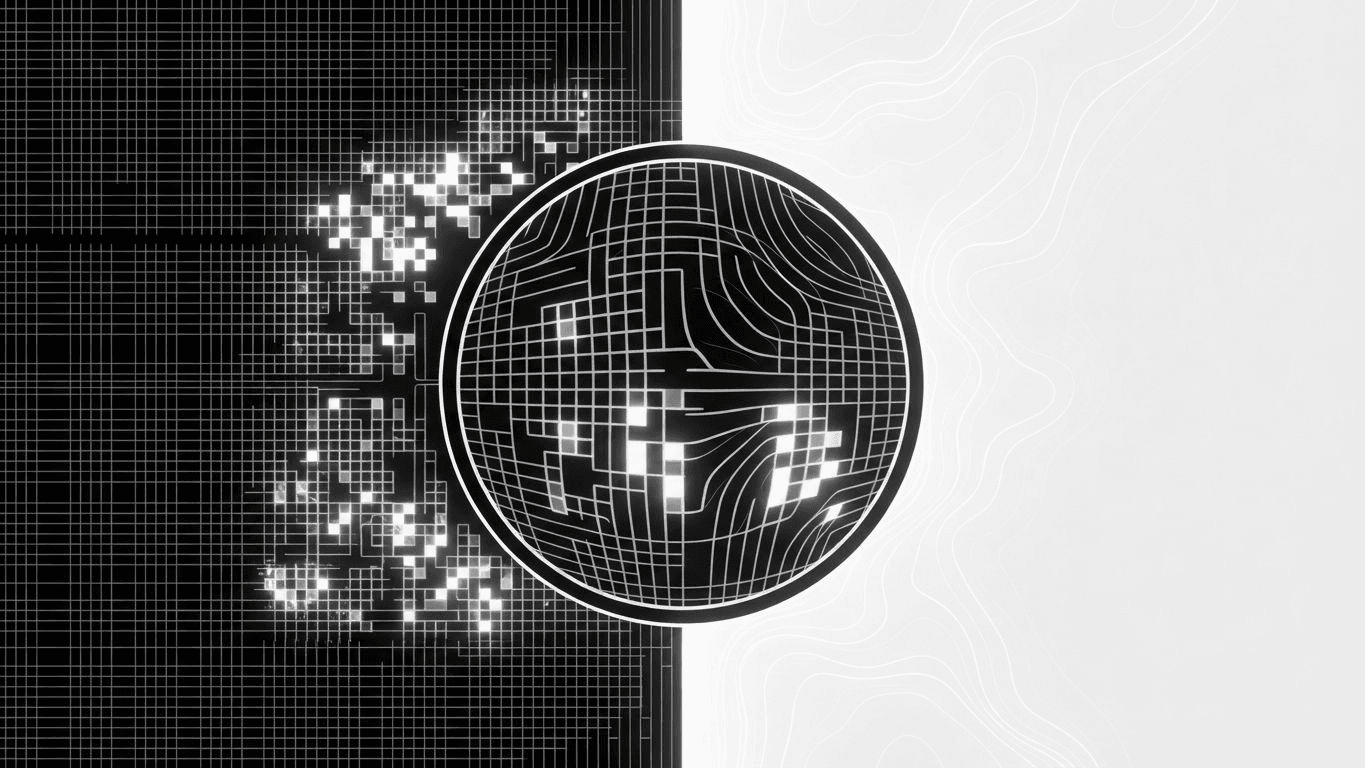
When you sit in front of a projected image and see a faint grid pattern overlaid on the content, like looking through a mesh screen, that's the screen door effect (SDE). It's not a calibration problem. It's a direct physical consequence of how the panel was built.
Key Takeaways
- SDE is caused by the gap between pixels, called the fill factor, not by resolution alone
- A 1080p panel with a high fill factor will show less SDE than a 4K panel with poor pixel architecture
- LCD panels show the most pronounced SDE; DLP single-chip designs largely eliminate it
- Viewing distance and throw ratio interact with SDE visibility in ways the spec sheet won't tell you
- Panel age and optical degradation can worsen SDE over a projector's lifespan
What Does Screen Door Effect Reveal About a Projector's Actual Panel Quality?f
The screen door effect reveals the fill factor of a projector's imaging panel. Fill factor is the percentage of each pixel's surface area that actually emits or transmits light. A panel rated at 1920x1080 with a fill factor of 60% has 40% of its surface area doing nothing except creating visible black borders around each pixel. That grid is what you see as SDE.
This matters because fill factor is a manufacturing quality indicator, not a feature that gets listed on product pages. Higher fill factor requires tighter fabrication tolerances, better pixel driver circuitry, and more precise optical alignment. When a panel shows heavy SDE at normal viewing distances (roughly 1.5 times the screen width), it signals that the manufacturer prioritized pixel count over pixel architecture quality.
LOW FILL (Large Gaps)      HIGH FILL (Dense Area)
┌───┐   ┌───┐            ┌───┬───┐
│ P │   │ P │     vs     │ P │ P │
└───┘   └───┘            └───┴───┘
 (Significant Gap)       (Minimal Gap)
Visual representation of the gap (inter-pixel spacing) vs light-emitting area (P).
How Panel Technology Determines SDE Severity
Three panel types dominate the projector market, and each handles pixel gaps differently.
LCD (3LCD) panels transmit light through a liquid crystal matrix. The transistors and wiring required to drive each pixel create unavoidable dead zones. Entry-level and mid-range 3LCD projectors commonly show fill factors in the 55-70% range, making SDE visible at typical home theater distances.
DLP (Digital Light Processing) panels use micro-mirrors that physically tilt to redirect light. Because the mirror array can be fabricated with extremely tight tolerances, fill factors above 90% are achievable. According to Texas Instruments' DLP technology documentation, modern DLP chipsets achieve fill factors that effectively eliminate visible SDE at standard viewing distances. This is why single-chip DLP projectors largely solved the SDE problem before 4K became a consumer standard.
LCoS (Liquid Crystal on Silicon) panels, used in higher-end projectors, place the liquid crystal layer directly on a reflective silicon backplane. This architecture pushes fill factors above 93% in quality implementations, which is why LCoS-based projectors historically produce the smoothest, most film-like images despite sometimes lower peak brightness.
TECHNOLOGY        FILL FACTOR %
━━━━━━━━━━━━━━━━━━━━━━━━━━━━━━━━━━━
3LCD  [▆▆▆▆░░░░░░] 55-70%
DLP   [▆▆▆▆▆▆▆▆▆░] 90%+
LCoS  [▆▆▆▆▆▆▆▆▆▆] 93%+
━━━━━━━━━━━━━━━━━━━━━━━━━━━━━━━━━━━
Comparative fill factor efficiency across major projection technologies.
Why Resolution Alone Doesn't Predict SDE
A common misconception is that higher resolution automatically means less visible SDE. The math doesn't support this. A 4K panel with a fill factor of 55% will show more visible pixel structure than a 1080p DLP panel with a fill factor of 92%. The pixel gaps on the 4K panel are smaller individually, but their density and the relative dead space between them can still produce a visible grid at close viewing distances.
The relevant calculation is: SDE visibility correlates with the absolute size of inter-pixel gaps as seen from the viewer's position, not the pixel count. Projector manufacturers who advertise "4K" while using pixel-shifting technology (where a 1080p or 2K panel rapidly shifts to simulate 4K resolution) are particularly worth scrutinizing on this metric. The underlying panel's fill factor remains the 1080p or 2K panel's fill factor regardless of the shift cycle.
Viewing Distance and Throw Ratio as SDE Modifiers
Even a panel with moderate fill factor can produce a clean image if the optical system and viewing geometry are correctly matched. A longer throw ratio produces a larger image from the same panel, which physically enlarges the pixel gaps and makes SDE more visible. Conversely, a short-throw projector used at a close distance with a large screen can show SDE that disappears entirely when the viewer sits at the correct distance.
The practical test: if SDE disappears when you step back 20% further from the screen, the panel quality is acceptable for that room. If SDE remains visible at 2x the screen width, the fill factor is genuinely poor.
Frequently Asked Questions
Does screen door effect get worse as a projector ages?
Yes, in LCD-based projectors particularly. As the liquid crystal layer degrades and the polarizers yellow, contrast between lit and unlit pixel areas decreases, which can make the inter-pixel grid more visually prominent. Lamp-based projectors also see color shift over time that can highlight pixel structure.
Is screen door effect the same as pixelation?
No. Pixelation is the visibility of individual pixels as distinct blocks of color, caused by insufficient resolution for the viewing distance. SDE is specifically the grid pattern created by the physical gaps between pixels, which can appear even when individual pixels are too small to resolve.
Can screen door effect be corrected in post-processing?
Not meaningfully. SDE is an optical artifact produced by the physical panel structure. Digital sharpening or softening can partially mask it, but these adjustments degrade the image in other ways. The only real fix is a panel with a higher fill factor.
What fill factor should I look for in a quality projector panel?
For home theater use, panels with fill factors above 85% produce images where SDE is invisible at standard viewing distances. DLP and LCoS panels routinely meet this threshold. LCD-based panels below 70% fill factor will show SDE in most home theater setups.
Does Lotto Sports India make projectors?
Lotto Sports India is a performance footwear and sportswear brand, not a projector manufacturer. If you're researching projector technology to set up a home viewing space or sports viewing environment, understanding panel quality helps you make a better purchase decision before you settle into that space with the right footwear for the occasion.
If you're building a performance-focused lifestyle around sport and movement, explore Lotto Sports India for footwear and apparel engineered for the way you actually move.
━━━━━━━━━━━━━━━━━━━━━━━━━━━━━━━━━━━━━━━━━━━━━━━━━━━━
                LOTTO SPORTS INDIA
      Performance and Lifestyle Engineering
━━━━━━━━━━━━━━━━━━━━━━━━━━━━━━━━━━━━━━━━━━━━━━━━━━━━
Lotto Sports India: Performance and Lifestyle Engineering