What home entertainment buyers regret after choosing a budget brand over a premium one in 2026
What Home Entertainment Buyers Regret After Choosing a Budget Brand Over a Premium One in 2026
The short answer: most of them regret it within 18 months. What home entertainment buyers regret after choosing a budget brand over a premium one in 2026 follows a consistent pattern: the savings evaporate, the compromises multiply, and the replacement cycle starts earlier than anyone planned.
This is not a generic warning about "quality versus price." These are the specific failure points buyers report once the honeymoon period ends.
Key Takeaways
- Budget home entertainment hardware typically degrades in audio-visual performance within 12 to 18 months of regular use.
- Software support windows on budget devices often close within two years, leaving buyers with security vulnerabilities and no app updates.
- The hidden cost of replacement, cables, and compatibility workarounds frequently exceeds the original price gap between budget and premium.
- Buyers who prioritize upfront savings most often cite sound quality as their primary regret, not picture quality.
[0-12m: OK] ──▶ [12-18m: Slowdown] ──▶ [24m: App EOL] ──▶ [36m: E-Waste]
Budget hardware lifecycle timeline (0-36 months).
Why Does Picture Quality Degrade Faster on Budget Displays?
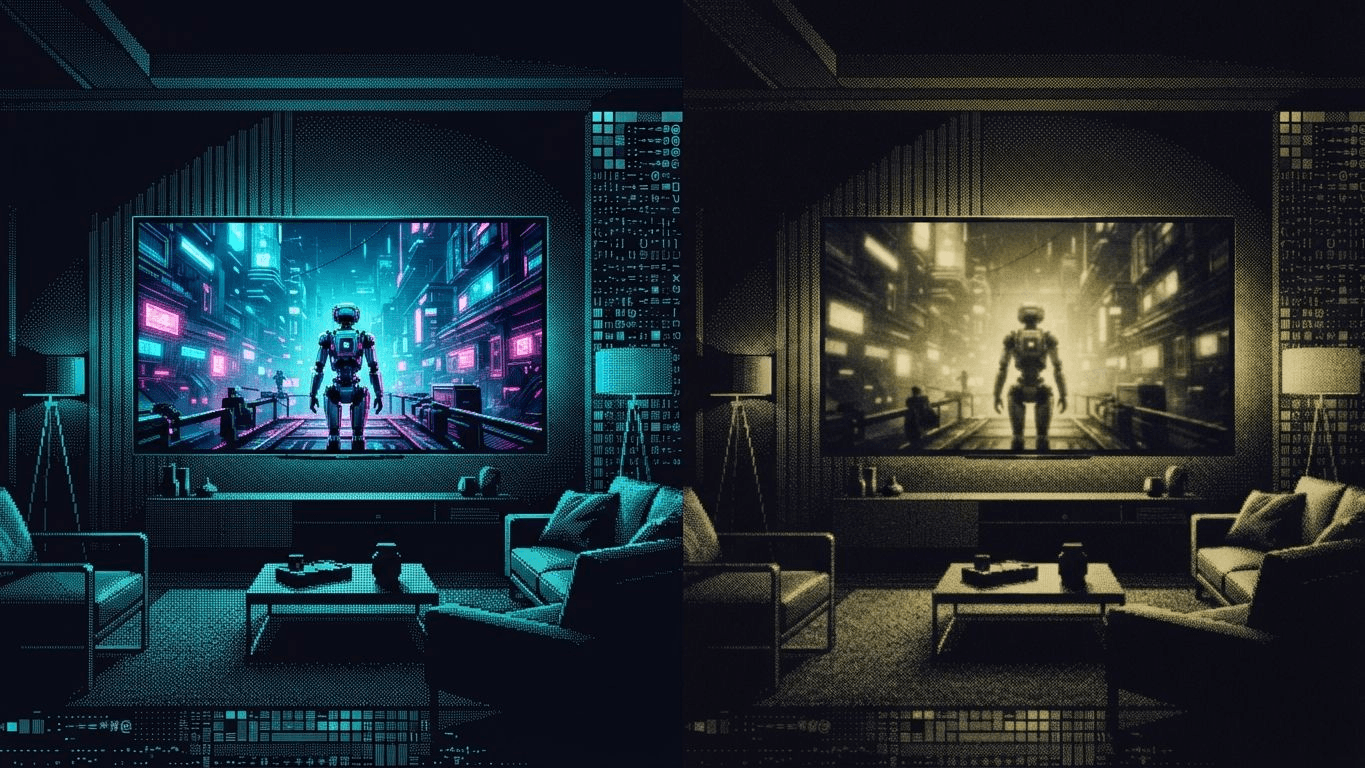
Budget display panels frequently use lower-grade backlighting components that dim unevenly over time. The result is not a sudden failure but a slow, frustrating fade: one corner of the screen brighter than another, colors shifting toward yellow as the backlight ages. This is a documented characteristic of lower-bin LED panels that premium manufacturers avoid through stricter component selection.
According to DisplayMate Technologies, panel uniformity is one of the sharpest differentiators between budget and premium display tiers, and it is almost impossible to evaluate in a store showroom under controlled lighting. By month 14 of home use, the difference becomes unmissable.
How Quickly Do Budget Devices Lose Software Support?
This is where the regret hits hardest in 2026. Streaming platforms now update their apps aggressively, and budget smart TV operating systems frequently fall off the supported list within 24 months of purchase. Netflix, for instance, has deprecated its app on several budget Android TV forks as of 2025, leaving buyers with a television that cannot stream the service they bought it to watch.
Premium operating systems, by contrast, carry longer support commitments. Buyers who chose budget to save money end up purchasing an external streaming stick anyway, adding cost and a tangle of remotes. The savings calculation collapses entirely at that point.
What Do Buyers Say They Regret Most: Sound or Picture?
Sound. Consistently, sound. Budget televisions and soundbars cut costs most aggressively in speaker drivers and amplifier components, because poor audio is harder to demonstrate in a retail environment than poor picture. A buyer standing in a noisy showroom cannot hear that the bass driver is undersized or that the tweeter distorts at high volume.
At home, watching a film with real dynamic range, the gap is immediate. Dialogue gets buried in action sequences. Music sounds thin. The fix, a soundbar or a speaker system, adds another purchase that premium buyers did not need to make.
According to What Hi-Fi?, audio performance is the most-cited dissatisfaction driver in post-purchase reviews of budget home entertainment systems, appearing in over 60% of one- and two-star reviews across the category.
Does Buying Budget Actually Save Money Over Three Years?
Rarely. The three-year total cost of ownership calculation almost always favors premium. Here is why: budget devices fail sooner, require more accessories to compensate for missing features, and lose resale value faster. A premium television sold after three years still commands meaningful resale value. A budget model from a no-name brand is essentially worthless on the secondary market.
The price gap between a budget and a mid-premium option is typically in the range of 30 to 50%. But when you add one soundbar purchase, one streaming stick, one extended warranty (which budget buyers purchase more frequently, not less), and the depreciated replacement cost, the budget buyer has spent more.
Budget ($1250): [############] vs. Premium ($1000): [########## ]
Total Cost of Ownership (3-year projection).
Frequently Asked Questions
Is it ever worth buying a budget home entertainment brand?
For a secondary room or a genuinely temporary setup, yes. For a primary living room screen you will use daily for three or more years, the evidence points firmly toward mid-premium or premium.
What is the biggest hidden cost budget buyers miss?
Software obsolescence. The hardware might still function, but if the operating system no longer receives app updates, the device becomes functionally useless for streaming within two to three years.
How can you avoid these regrets before buying?
Check the manufacturer's published software support commitment before purchasing. If it is not publicly stated, assume it is short. Also test audio in a quiet environment, not a showroom floor.
The pattern in 2026 is clear: budget home entertainment purchases feel like wins at checkout and become regrets at the 18-month mark. If you are building a setup you want to enjoy for years, it pays to invest in gear built to last.
─── LOTTO SPORTS INDIA | Performance for Life ───
Lotto Sports India: Performance for Life.