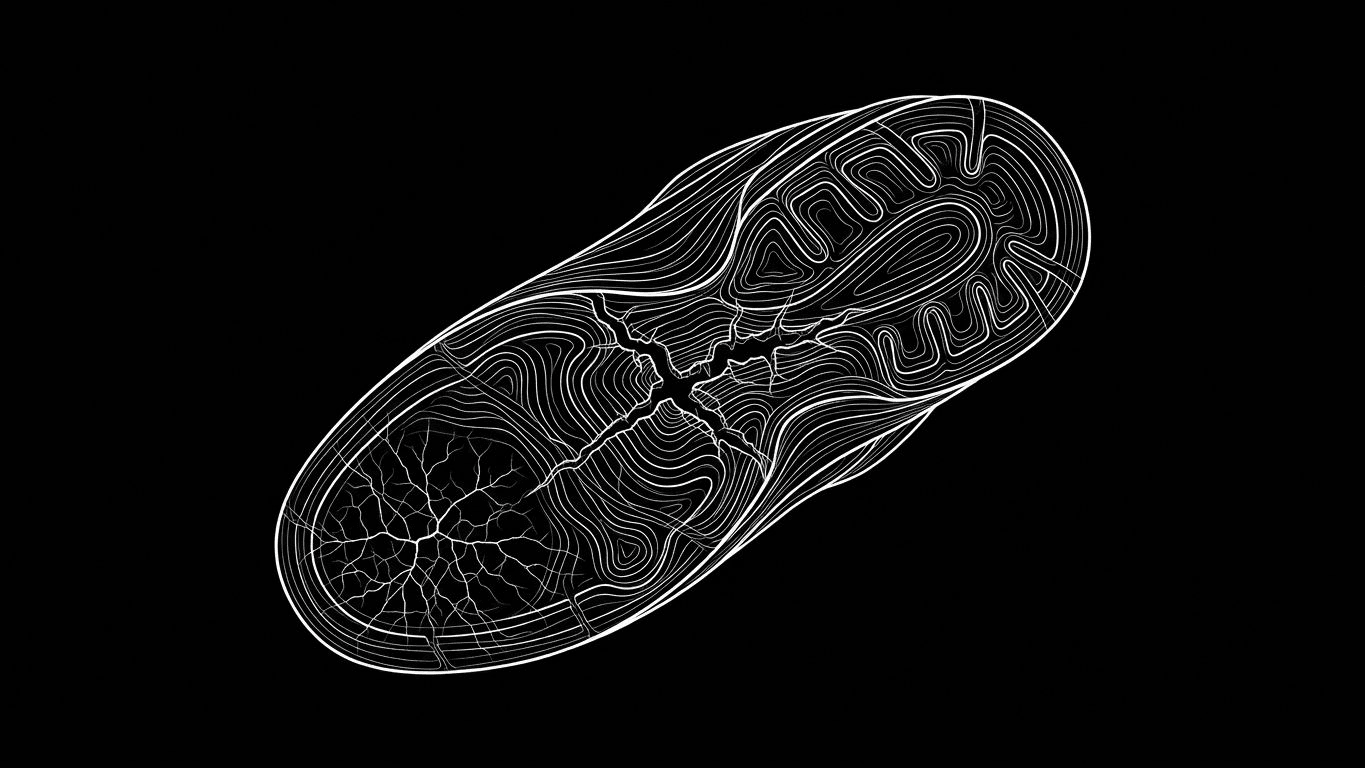
What does outsole cracking pattern on sports shoes reveal about the quality of the rubber compound used
What Outsole Cracking Patterns on Sports Shoes Reveal About Rubber Compound Quality
The cracking pattern on a sports shoe outsole is not random cosmetic damage. It is a diagnostic map. The location, shape, depth, and progression of cracks tell you exactly which part of the rubber formulation failed, and why. Understanding what outsole cracking patterns on sports shoes reveal about the quality of the rubber compound used can save you from buying shoes that will degrade in months rather than years.
Key Takeaways
- Transverse flex cracks at the ball of the foot indicate poor flex fatigue resistance in the compound.
- Surface crazing with no single dominant crack points to oxidative degradation or UV exposure, not mechanical failure.
- Crumbling at the heel signals hydrolysis in polyurethane-blend compounds, not pure rubber failure.
- Harder compounds (70-75 Shore A) crack brittlely when filler ratios are wrong; softer compounds (60-65 Shore A) crack less but wear faster.
- Reputable manufacturers specify crack resistance using SATRA flex testing at up to 150,000 cycles.
How the Outsole Actually Works Under Stress
The outsole is the only part of a sports shoe in direct contact with the ground during every stride. According to Atoms, the outsole handles ground contact, traction, and durability while the midsole manages cushioning and shock absorption. These are distinct jobs, and the rubber compound formulated for an outsole must balance competing demands: grip, flex resistance, abrasion resistance, and thermal stability.
Every time you push off, the outsole flexes at the metatarsal break. Every landing compresses it. Lateral cuts in court sports twist it. The rubber compound must survive millions of these cycles without cracking. When it fails, the crack pattern tells you which demand the compound could not meet.
What Transverse Cracks at the Forefoot Mean
Transverse cracks running perpendicular to the shoe's length, concentrated at the ball of the foot, are the most common failure mode in sports shoe outsoles. This is where the shoe flexes most aggressively with every stride.
This pattern is a direct indicator of poor flex fatigue resistance. The compound lacks sufficient elasticity to recover from repeated bending without initiating a crack. According to SATRA, the standard Ross flex test (TM60:2020) uses repeated flexing up to 150,000 cycles or more. Compounds that develop visible cracking before this threshold are considered to have inadequate flex crack resistance for durable footwear.
In practice, a shoe that develops transverse forefoot cracks within 300 to 400 km of running has almost certainly failed the Ross flex test threshold. The crack is not caused by your running style. It was built into the compound before you laced the shoe up.
What Surface Crazing Across the Entire Outsole Means
A different failure mode looks like a fine network of shallow surface cracks spread uniformly across the outsole, sometimes called crazing. There is no dominant crack, just a web of micro-fractures covering the contact surface.
This pattern points to oxidative degradation rather than mechanical fatigue. Rubber compounds without adequate antioxidant or antiozonant additives break down when exposed to atmospheric ozone and UV light. The surface hardens, loses elasticity, and fractures under even minor stress. This failure often appears on shoes stored for long periods before purchase, or on shoes used outdoors in high-UV environments.
The compound quality issue here is not the base rubber itself. It is the absence of protective additives in the formulation. A well-specified compound includes antiozonants that prevent this surface hardening. When a manufacturer omits them to reduce cost, crazing is the visible result within one to two seasons.
What Crumbling at the Heel Reveals
Heel crumbling is a distinct failure mode and it is not purely a rubber problem. [Research on sole hydrolysis](https://www.cordonnerierockland.com/why-boot-soles-crumble-hydrolysis-repair/#:~:text=In%20footwear%2C%20water%20molecules%20(H,sole%20loses%20all%20its%20strength.) explains that water molecules from humidity gradually penetrate polyurethane, attacking the polymer chains and breaking them down until the internal structure of the sole loses all its strength.
This matters for sports shoes because many outsoles are not pure rubber. They are rubber-polyurethane blends or use a PU midsole that extends to the heel contact area. When you see the heel literally crumbling into chunks rather than cracking cleanly, the compound contains PU that has undergone hydrolysis. The failure is chemical, not mechanical. No amount of reinforcing filler fixes this. The compound specification itself was wrong for the intended use environment.
Pure vulcanized rubber outsoles do not crumble this way. If your sports shoes are showing heel crumble, the manufacturer used a PU-heavy compound in a load-bearing zone that sees regular moisture exposure from sweat and wet ground.
How Filler Ratios Determine Whether Cracks Appear at All
The rubber compound in an outsole is never pure rubber. It is rubber plus reinforcing fillers, plasticizers, vulcanizing agents, and protective additives. The filler specification is where most quality differences are decided.
According to research published in ACS Applied Materials and Interfaces, adding reinforcing fillers such as carbon black at levels around 30 to 50 phr (parts per hundred rubber) significantly increases tear strength and fatigue life, reducing the rate and size of flex cracks that appear on outsoles under repeated sports use. A manufacturer who reduces filler loading to cut cost produces a compound that looks identical on the shelf but cracks earlier under the same flex conditions.
This is why two shoes at similar price points can have completely different crack resistance. The difference is invisible until the outsole fails.
What Compound Hardness Tells You About Crack Risk
According to Weston Rubber, rubber outsole compounds are commonly specified by hardness. Softer compounds around 60 to 65 Shore A tend to crack less under flex but may wear faster. Harder compounds around 70 to 75 Shore A resist abrasive wear but are more prone to brittle cracking if the formulation is poor.
This trade-off is real and it explains a specific crack pattern: single deep cracks with clean edges on a hard, glossy outsole. This is brittle fracture. The compound was hardened for durability without adequate elastomer content or plasticizer to maintain flexibility. The outsole resists abrasion until a stress concentration (a groove edge, a lug corner, a flex point) initiates a crack that propagates quickly through the hard compound.
A properly formulated hard compound avoids this by balancing hardness with sufficient elasticity. When you see clean-edged brittle cracks on a hard outsole, the formulation balance was wrong.
SHORE A SCALE:   60  <───────|───────>  75
RESULT:          Soft        │          Hard
─────────────────────────────┼─────────────────────────────
PROS:            Flex-Safe   │          Low Wear
RISKS:           Fast Wear   │          Brittle
Hardness trade-off spectrum for outsole rubber formulations.
How Crack Resistance Is Measured Before a Shoe Reaches You
Credible footwear manufacturers test crack resistance before production approval. SATRA's whole-sole flex test (TM133:2017) measures crack initiation and growth. A sole material that shows crack growth exceeding 2 mm under the specified flexing regime is flagged as having inadequate crack resistance for durable footwear use.
Research from Harvard's School of Engineering found that modifying natural rubber into a "tanglemer" structure made it 4 times more resistant to slow crack growth under repeated stretching. The same structure was 10 times tougher overall than conventional natural rubber. This demonstrates that compound engineering at the molecular level produces measurable, quantifiable crack resistance improvements, not just marketing language.
When a brand cannot tell you what flex test standard their outsole compound is validated against, that absence is itself a quality signal.
What Crack Patterns Tell You About Traction Loss
Cracks do not just weaken the outsole structurally. They directly degrade traction performance. The outsole pattern creates the contact geometry that generates grip. Once cracks interrupt that geometry, lug edges break away, pattern channels collapse, and the friction coefficient drops.
Research published in PMC found that a hybrid rubber outsole with a rough surface area ratio of 50% achieved static and dynamic coefficients of friction above 0.4 on wet surfaces. Once cracking disrupts the designed surface geometry, those coefficients cannot be maintained. The compound quality that resists cracking is therefore directly connected to sustained traction performance over the shoe's life.
The same study confirmed that hybrid rubber surface patterns with proper compound specification achieved SCOF values at or above 0.44 and DCOF values at or above 0.39 on drag tests, outperforming comparative footwear. A cracked outsole that has lost its designed pattern geometry will fall below these thresholds.
Reading Your Own Shoe's Crack Pattern: A Practical Guide
If you are looking at an outsole right now, here is how to read what you see:
Transverse cracks at the forefoot, appearing before 400 km of use: Flex fatigue failure. The compound did not meet standard flex test thresholds. Replace the shoes.
Fine surface crazing across the whole outsole, no dominant crack: Oxidative or ozone degradation. The compound lacked antiozonant additives. Check storage conditions and shoe age before purchase date.
Heel crumbling into small chunks: Hydrolysis in a PU-blend compound. This is a formulation error for the use environment. The failure will accelerate with continued moisture exposure.
Single deep crack with clean edges on a hard, glossy outsole: Brittle fracture from over-hardened compound. The hardness-to-elasticity balance was wrong in the specification.
Cracks originating at lug edges or groove corners: Stress concentration at geometric transitions. This can indicate either poor compound tear strength or inadequate groove radius in the pattern design.
[ Crack Type ]       [ Primary Cause ]
──────────────────────────────────────
Transverse    ────>  Flex Fatigue
Web-like      ────>  UV/Ozone Aging
Crumbling     ────>  PU Hydrolysis
Clean/Deep    ────>  Brittle Fracture
Diagnostic mapping of crack morphology to failure mechanisms.
Frequently Asked Questions
What does a cracking outsole mean for the safety of a sports shoe?
Outsole cracking compromises both structural integrity and traction. Once cracks develop, the outsole's designed contact geometry breaks down, reducing the friction coefficient on wet surfaces. A cracked outsole on a court shoe or running shoe increases slip risk and should be replaced rather than continued in use.
How quickly should a quality rubber outsole start to crack?
A well-formulated rubber outsole should not show flex cracks before 150,000 flex cycles, which corresponds to several hundred kilometers of running use. SATRA's Ross flex test (TM60:2020) uses this threshold as the minimum standard. Shoes that crack visibly within 200 to 300 km of use have failed to meet this baseline.
Does outsole hardness determine how quickly cracks appear?
Hardness is one factor, but not the only one. Softer compounds around 60 to 65 Shore A are generally more flex-crack resistant. Harder compounds around 70 to 75 Shore A resist abrasion better but crack brittlely when the formulation lacks sufficient elasticity. The filler type and loading, particularly carbon black at 30 to 50 phr, matters as much as hardness.
Can you repair a cracked outsole?
Minor surface cracks can be stabilized with shoe repair adhesives, but the underlying compound degradation continues. Structural cracks at the forefoot flex zone or heel crumbling cannot be reliably repaired for sports use. The compound has failed mechanically or chemically, and the repair will not restore the original flex resistance or traction geometry.
How does Lotto Sports India address outsole quality in its footwear?
Lotto Sports India builds its sports footwear with outsole compounds specified for the demands of the Indian climate and court conditions, where heat, humidity, and high-UV exposure accelerate the degradation modes described above. The outsole specifications prioritize flex fatigue resistance and traction geometry that holds up through sustained athletic use, not just initial wear.
Does outsole cracking always mean the shoe was low quality?
Not always. Improper storage, prolonged exposure to ozone-heavy environments (near electric motors or UV sources), and chemical exposure from court cleaning products can degrade even well-formulated compounds. However, cracking before 400 km of normal use under normal storage conditions is a compound quality failure, not a use condition failure.
If you want sports shoes built for sustained performance without the early outsole failures described above, explore the full range at Lotto Sports India. The lineup covers running, court, and training footwear with outsole constructions designed to hold up where Indian athletes actually play.
┌────────────────────────────────────────────────────────────┐
│  LOTTO SPORTS INDIA  |  HIGH-SPEC OUTSOLE COMPOUNDS        │
└────────────────────────────────────────────────────────────┘
Lotto Sports India official compound quality seal.
Related Articles
- Why do athletes training on concrete courts in Indian summers burn through sports shoe midsoles twice as fast as the brand claims
- Is a ₹4000 sports shoe from a heritage Italian brand genuinely better than a ₹4000 shoe from a fast-fashion sports label in 2026
- Best Basketball Sneakers Under ₹6000 in 2026 | Lotto